A hot water heat pump is one of the most energy-efficient ways to heat water in a New Zealand home. Rather than generating heat with electricity alone, it extracts warmth from the surrounding air and transfers it into the water. That process uses significantly less electricity than a standard electric cylinder.
This post covers how a hot water heat pump works, what system types are available, and what to consider first.
How Does a Hot Water Heat Pump Work?
Heat pumps work on the same principle as a refrigerator, but in reverse. A fan draws outside air across a refrigerant-filled coil. Warmth transfers into the refrigerant, even on cold days, and a compressor upgrades that heat to a higher temperature. It then passes into the water in the cylinder until the set temperature is reached.
According to EECA, these systems use around a third of the electricity a standard electric resistance cylinder needs for the same result. New Zealand’s electricity grid runs at around 80 to 85 percent renewable, so running costs and emissions are both low compared to gas or standard electric systems.
What Types of Hot Water Heat Pumps Are Available?
Two main configurations suit New Zealand homes.
Integrated systems
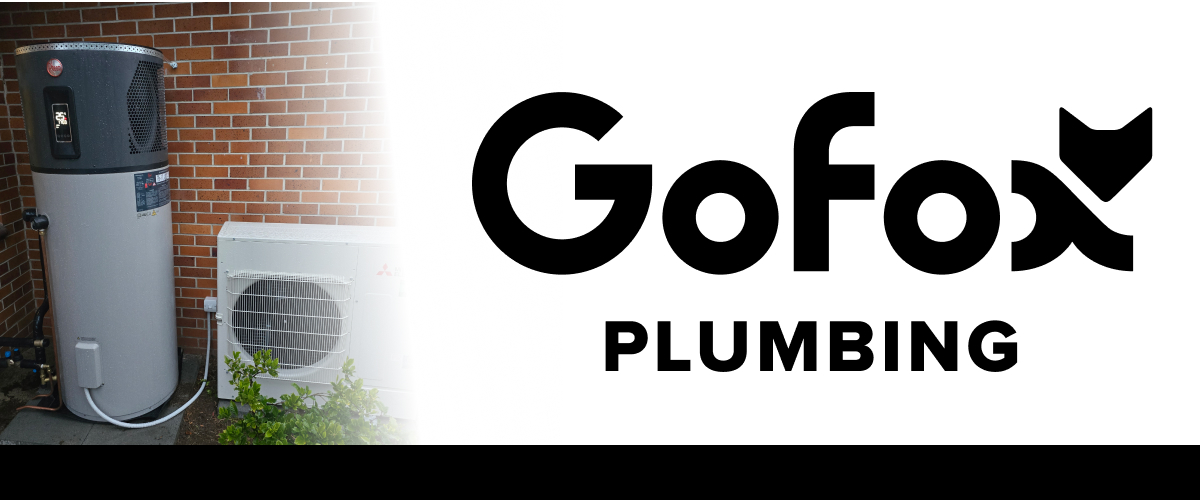
Integrated systems combine the heat pump and the storage cylinder into a single unit. Everything installs together, usually outdoors or in a garage or utility area.
Split systems
Split systems separate the outdoor heat pump from the indoor cylinder. A refrigerant line connects the two. This suits homes where the cylinder needs to stay inside or where space for a larger integrated unit is limited.
Retrofitting a heat pump to a compatible existing cylinder is also possible, which can lower the cost of upgrading.
Is a Hot Water Heat Pump Right for Your Home?
Most New Zealand homes suit a hot water heat pump, but a few things are worth assessing first.
Climate
Performance depends on ambient air temperature. In colder regions, including much of the South Island and higher inland areas, efficiency can reduce in winter. Modern systems handle low temperatures well, but your plumber can advise on suitability for your location.
Space
Space requirements differ between integrated and split systems. Your plumber will assess which configuration suits your property.
Trades required
Installation needs both a licensed plumber and a registered electrician. Your plumber handles the water connections, while your electrician connects the system to the power supply.
Solar compatibility
Pairing a hot water heat pump with solar PV reduces running costs further. Running the system during daylight hours on solar-generated electricity is a practical way to cut energy bills even more.
Your local GoFox plumber can assess your existing setup and recommend the right system for your home. Visit our hot water cylinders service page to find out what we cover.
For a full overview of our plumbing services, visit our plumbing services page. You can also follow us on Facebook and LinkedIn for practical home advice and updates from GoFox teams across New Zealand.
Frequently Asked Questions
What is a hot water heat pump?
A system that extracts heat from the surrounding air and transfers it into water stored in a cylinder. It uses significantly less electricity than a standard electric cylinder and suits most New Zealand homes.
How much energy does a hot water heat pump save?
According to EECA, a heat pump system uses around a third of the electricity a standard electric resistance cylinder needs. Actual savings depend on your household usage, location, and existing system.
What is the difference between integrated and split systems?
An integrated system combines the heat pump and cylinder into one unit. A split system has a separate outdoor heat pump connected to an indoor cylinder by a refrigerant line. Your plumber can advise which suits your property.
Do hot water heat pumps work in cold weather?
Yes. Modern systems operate in low temperatures, though efficiency can reduce in colder climates. In parts of New Zealand with very cold winters, your plumber can discuss the most suitable option.
Can I retrofit a heat pump to my existing cylinder?
In some cases, yes. A heat pump unit can connect to a compatible existing cylinder, which reduces the cost compared to a full system replacement. Your plumber can confirm whether your existing setup is suitable.