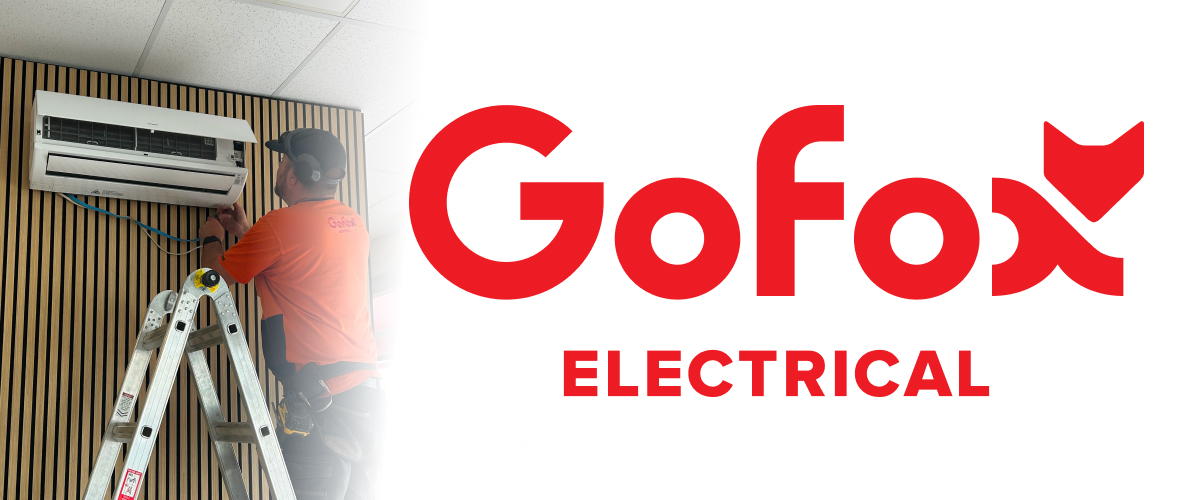
The cost to install a heat pump depends on the type and size of the system, your home’s layout and where the units need to go. A standard high-wall heat pump is usually the simplest and most affordable option. Multi-split and ducted systems take more planning, more materials and more time, so they cost more.
Below, we break down what affects the price, where extra costs come from and how to get a quote you can rely on.
What affects the cost to install a heat pump?
Every home is different. However, most of the price comes down to a handful of factors:
- System type. A single high-wall unit costs less than a floor console, multi-split or ducted system.
- Size and capacity. Larger rooms and colder regions need a bigger unit, which costs more to buy.
- Unit placement. A “back-to-back” install puts the indoor and outdoor units on opposite sides of the same wall. This keeps pipe runs short. Longer runs through ceilings or under floors add labour and materials.
- Outdoor unit location. Ground-level installs are the simplest. In contrast, a unit mounted high on a wall or on a roof can need brackets, access equipment or scaffolding.
- Electrical work. Most heat pumps need their own circuit. If your switchboard is full or out of date, it may need work first.
- Building materials. Drilling through brick or concrete takes longer than drilling through timber weatherboards.
- Drainage and finishing. Condensate drainage and tidy pipe covers also affect the final price.
Why do heat pump quotes vary so much?
Two quotes for what looks like the same job can be quite different. Usually, that is because they don’t cover the same work. One quote might include a new circuit, wall brackets and pipe covers, while another lists them as extras.
A standard install covers mounting both units, running the pipework and cabling, connecting the power and testing the system. Anything beyond that adds to the price, for example long pipe runs, switchboard work or roof mounting.
Multi-split and ducted systems cost more again. That is because they involve several indoor units, more pipework and more labour on site.
High-wall, multi-split or ducted?
High-wall heat pumps are the most common choice in Kiwi homes. They heat one main space well, and installation is usually simple.
Multi-split systems run several indoor units from one outdoor unit. As a result, they suit homes that need heating in a few rooms but have limited space outside.
Ducted systems hide the indoor unit in the ceiling or under the floor. They then deliver warm or cool air through vents in each room. This gives whole-home comfort, although it needs the most planning and the biggest budget.
How do you get an accurate cost to install a heat pump?
Online prices only tell part of the story. Because no two homes are the same, a site visit is the best way to avoid surprises. During the visit, your installer can measure the space and check your switchboard. They can also find the best spots for both units and recommend the right size and type of system.
A good quote should also be clear. Look for a written price that covers the unit, labour, electrical work and any extras. That way, you can compare quotes like for like.
Why use a local licensed electrician?
Heat pump installation involves electrical work that must meet New Zealand safety requirements. A licensed electrician makes sure the power supply, circuit and connection are safe and compliant. They also give you the right paperwork when the job is finished.
At GoFox, each franchise is locally owned and operated, so you deal with a team that knows your area. At the same time, our national buying power helps keep pricing competitive on quality units. You can find out more about our heating, cooling and ventilation services, or browse the electrical services our local teams offer.
Common questions about heat pump installation costs
How long does a heat pump installation take? A standard back-to-back high-wall install is often done within a day. Multi-split and ducted systems usually take longer because of the extra pipework and units.
Is the cheapest quote the best option? Not always. A low price can leave out electrical work, brackets or a correctly sized unit. Compare what each quote includes, not just the total.
Will I need a switchboard upgrade? Not always. However, older or full switchboards sometimes need work before a new circuit can go in. Your electrician will check this during the site visit.
Does the outdoor unit location change the price? Yes. Ground-level, back-to-back installs cost the least. Roof mounting, high walls and long pipe runs all add time and materials.
Can I get a fixed price before work starts? Yes. Once your installer has seen the property, they can give you a written quote based on your home and the system you choose.
For heating tips and local news, follow GoFox on Facebook or connect with us on LinkedIn.