You can often add a solar battery after your panels are already installed. Whether it’s straightforward depends on your existing inverter and wiring. This guide covers what to check before you commit to a retrofit.
Solar Battery Basics: What Retrofitting Involves
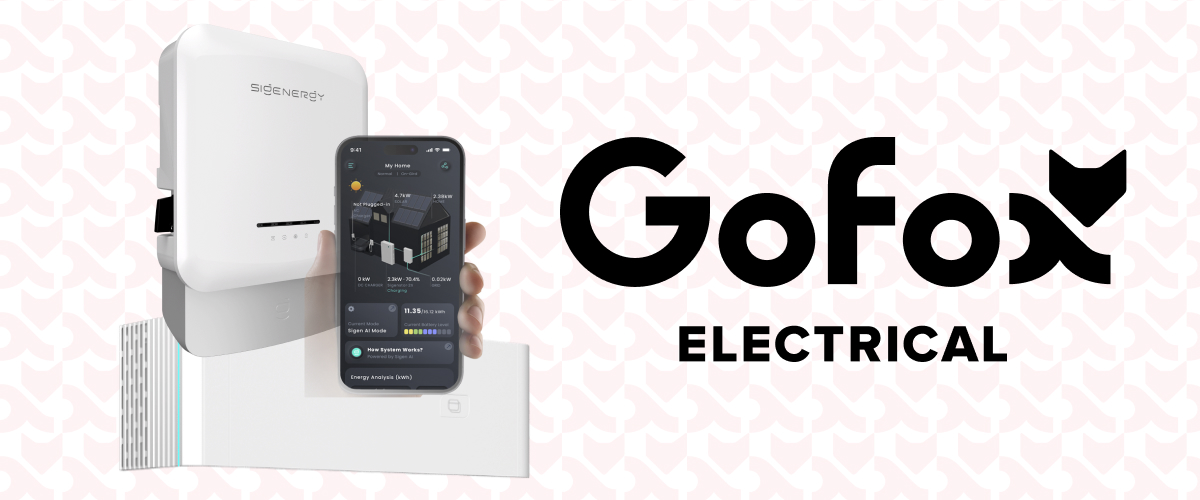
Adding a solar battery after the fact usually means connecting it to your existing inverter, or replacing that inverter altogether. Some inverters already support battery add-ons. Others need an upgrade before a battery will work.
Is Your Inverter Battery-Ready?
Many modern hybrid inverters come ready for battery storage, even if you haven’t fitted a battery yet. Older grid-tied inverters usually aren’t, which means a battery retrofit needs extra hardware. Your installer can check your inverter model and confirm what’s possible.
What Does Adding a Battery Later Cost?
Retrofitting a battery usually costs more than installing one upfront alongside your panels. You’ll pay for the battery itself, plus any inverter upgrade and extra installation labour. Scaffolding and a second site visit can add to the bill too.
Solar Battery Add-Ons: What to Check Before You Upgrade
Before you add a solar battery, check your inverter’s battery compatibility with your installer. Confirm whether your existing wiring and switchboard can handle the extra load. Ask about warranty terms too, since adding a battery can sometimes affect your original solar warranty.
Is It Better to Install a Battery from the Start?
Installing a battery at the same time as your panels usually costs less overall. You avoid a second site visit, extra scaffolding and any inverter upgrade fees. If your budget allows it, this is often the more cost-effective route.
That said, plenty of homeowners start with panels only and add a battery once budgets allow. It’s a completely valid approach, as long as you plan ahead with your installer.
Getting Your System Assessed
A registered local electrician can check your existing setup and confirm exactly what a battery retrofit involves. They’ll look at your inverter, wiring and switchboard, then give you an accurate price rather than a rough guess.
Locals own and operate every GoFox franchise across Aotearoa, from Whangārei to Dunedin. Find out more on our Solar Power service page or browse our full range of electrical services.
Common Questions About Retrofitting a Battery
Can any inverter support a battery retrofit? Not every inverter can. Some older grid-tied inverters need a full replacement before they’ll support a battery. Others just need a firmware update or a small hardware addition.
Does adding a battery later void my solar warranty? It can, depending on your original installer and equipment brand. Always check your warranty terms before you add a battery, so you don’t accidentally void your existing cover.
How long does a battery retrofit take? Most retrofits take one to two days, depending on your inverter and switchboard setup. Jobs needing a full inverter swap usually take a little longer.
Is it cheaper to add a battery now or later? Adding a battery upfront, alongside your panels, is almost always cheaper. Retrofitting later means extra labour, a second site visit and possibly an inverter upgrade.
What size battery do I need? Battery size depends on your evening power use and how much backup you want during an outage. A local electrician can work this out based on your actual usage.
Final Thoughts on Battery Retrofits
Adding a solar battery later is entirely possible for most homes. It just depends on your inverter, your wiring and your budget. A quick chat with a local electrician tells you exactly where you stand.
Local owners run every GoFox franchise, and national buying power keeps our pricing sharp. Over 94% of surveyed customers say they’d recommend us. Our registered, certified electricians can assess your system and confirm what a battery retrofit involves. Get in touch with your local GoFox team to talk through your options.
Follow GoFox on Facebook and LinkedIn for more practical advice on solar and electrical work across New Zealand.