


Find Your Local GoFox Installer



Septic Tank & Wastewater Systems Across New Zealand
Qualified Local Plumbers Providing Septic Tank & Wastewater System Design, Installation, Upgrades & Servicing for Homes, Lifestyle Blocks & Rural Properties Across New Zealand.

GoFox Wastewater Solutions Designed Around Your Property
For properties that aren’t connected to a council wastewater network, an onsite wastewater system provides a safe and effective way to collect, treat and disperse wastewater. These systems are commonly used across rural properties, lifestyle blocks and homes located beyond reticulated sewer networks.
GoFox provides septic tank and wastewater solutions for properties throughout New Zealand. Whether you’re building a new home, replacing an ageing septic system or upgrading an existing wastewater setup, your local GoFox plumber can assess your property and recommend a solution suited to your site, property use and requirements.
Getting the right system and design from the outset is important. Property size, expected wastewater volumes, soil and ground conditions, available land, site access and local council requirements can all influence the most appropriate solution. GoFox can manage the process from initial assessment and system design through to any required approvals, installation and commissioning, providing a clear point of contact throughout the project.



Understanding Your Wastewater System Options
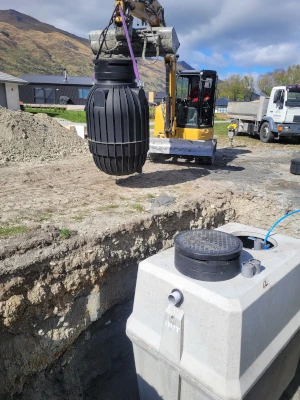
Onsite wastewater systems are designed to collect, treat and manage wastewater on properties that aren’t connected to a reticulated wastewater network. There are different types of systems available, with the appropriate solution depending on the property, the level of treatment required and how the treated wastewater can be safely dispersed onsite.
The right onsite wastewater system will depend on your property, expected wastewater volumes, site and soil conditions, available land and local council requirements. Your local GoFox Plumber can assess your property and recommend a wastewater treatment solution suited to your site and project.

Traditional Septic Systems
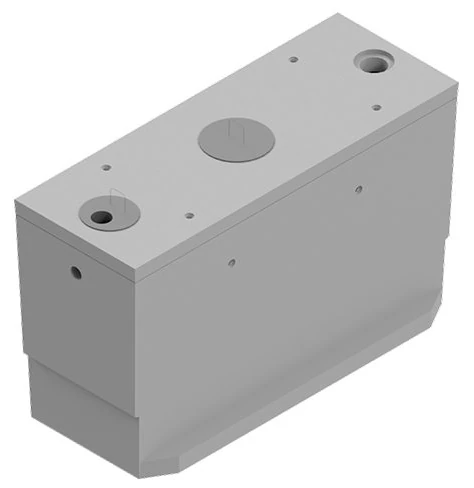
Traditional septic systems are a common form of onsite wastewater treatment, particularly for rural properties and lifestyle blocks that aren’t connected to a reticulated wastewater network. They provide primary treatment of wastewater using a relatively simple treatment process.
Wastewater from the property flows into the septic tank, where solids settle and naturally begin to break down. The remaining liquid, known as effluent, then leaves the tank and flows to a designed land application area, where further treatment occurs naturally through the soil.
A traditional septic tank system can provide an effective wastewater solution where the property, soil conditions, available land and local requirements are suitable.

Aerated Wastewater Treatment Systems
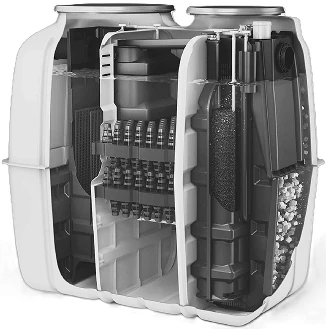
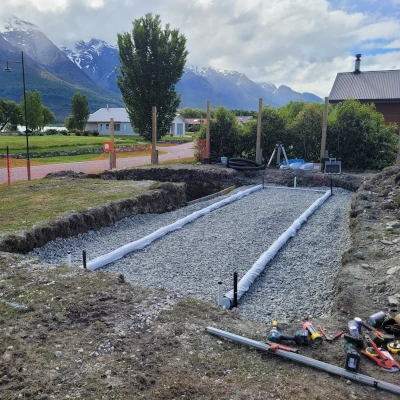
Aerated wastewater treatment systems, sometimes referred to as aerobic or secondary treatment systems, provide a higher level of wastewater treatment than a traditional septic tank. These systems use additional treatment stages and introduce oxygen into the treatment process to help break down wastewater more effectively.
The treated effluent is then distributed through a designed land application system appropriate for the property. Because aerated systems produce a higher level of treated effluent, they may be suitable where site conditions or local requirements call for a more advanced wastewater treatment solution.
Aerated wastewater treatment systems include pumps and other mechanical components and generally require regular servicing and maintenance to keep the system operating effectively.
How an Onsite Wastewater System Works
An onsite wastewater system collects wastewater from your property and treats it before safely dispersing the treated effluent onsite. Wastewater from toilets, showers, sinks and laundry flows into a septic tank or wastewater treatment system, where solids are separated and the wastewater begins the treatment process.
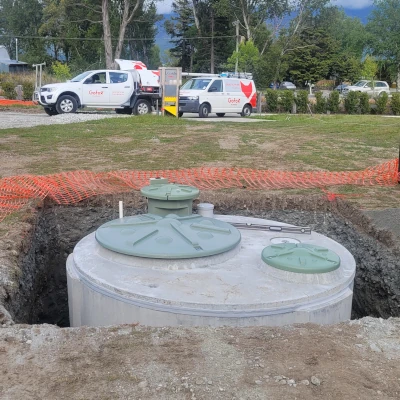
Once treated to the required level, the effluent flows or is pumped to a designed land application area. Here, it is distributed through systems such as trenches, beds or subsurface irrigation, allowing the soil to provide further treatment and safely disperse the wastewater.
The exact treatment process and land application method will vary depending on the type of system, property and site conditions. Your local GoFox Plumber can assess these requirements and recommend an onsite wastewater solution suited to your property.
When to Install, Replace or Upgrade a Wastewater System
Building a New Property
If you’re building in an area that isn’t connected to a reticulated wastewater network, you’ll need an onsite wastewater system to manage wastewater from the property. The system should be considered early in the planning and design process so the appropriate treatment and land application areas can be incorporated into the site.
Replacing or Upgrading an Existing System
Older septic tanks and wastewater systems may eventually require replacement or upgrading due to age, deterioration, changing requirements or because the existing system is no longer performing effectively.
Renovating or Changing Your Property
Extensions, additional bedrooms or dwellings, or changes to how a property is used can alter the amount of wastewater being generated. This may mean the existing system needs to be assessed to determine whether it remains suitable for the property. Current NZ guidance specifically recommends checking the adequacy of an onsite system when modifying a property.
Problems With an Existing System
Wastewater surfacing on the property, unpleasant odours, sewage overflows, alarms or recurring system issues can indicate that an existing wastewater system needs attention. Depending on the cause, the solution may involve servicing, repairs, changes to the land application area or a more significant system upgrade.
GoFox Wastewater System Design & Installation Process
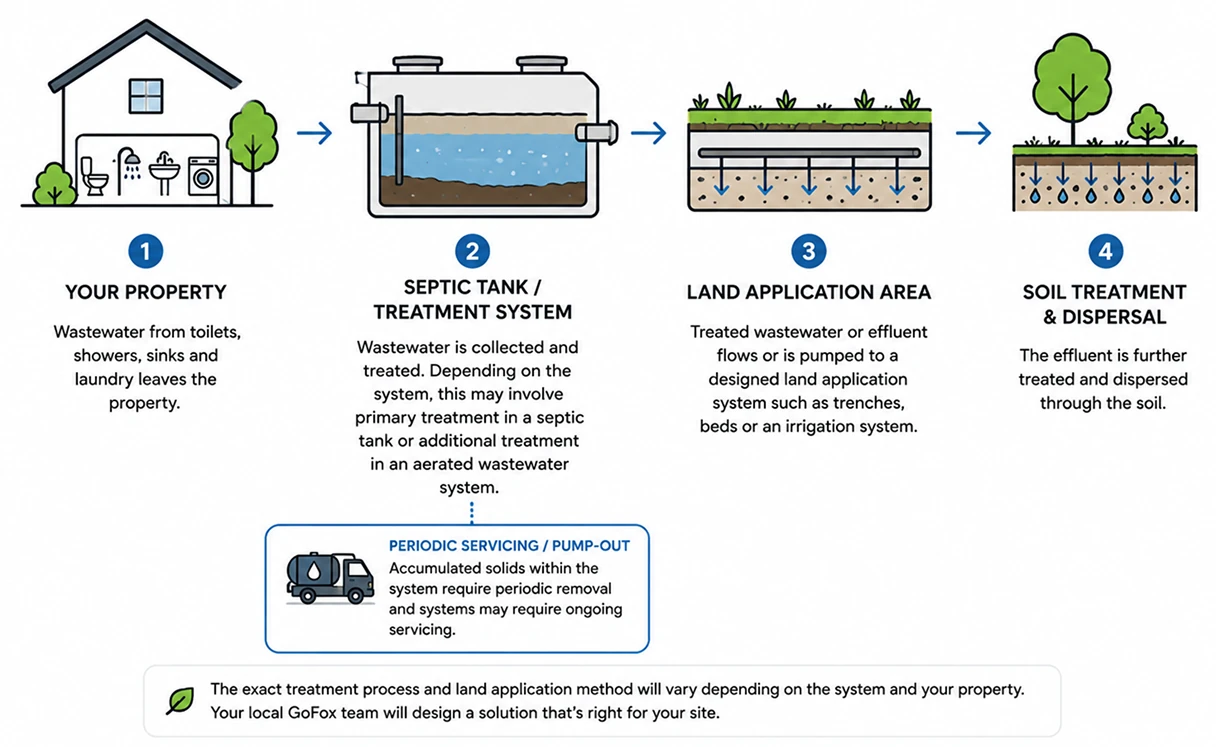
Installing an onsite wastewater system involves more than simply installing a tank. From initial site assessment and system design through to approvals, installation and compliance, your local GoFox team helps manage and coordinate the process from start to finish.
Initial Consultation & Site Requirements – We start by understanding your property and project. Whether you’re planning a new build, replacing an existing septic system or upgrading your current wastewater setup, your local GoFox Plumber will discuss what’s required and the next steps for your site.
Site Assessment & Wastewater System Design – The property and relevant site conditions are assessed to determine an appropriate wastewater treatment and land application solution. For new builds, this can form part of the wider site and building planning process. Where required, GoFox can coordinate with specialist wastewater designers, engineers or other professionals involved in the project.
Consents & Approvals – Wastewater requirements and approvals can vary depending on the property, proposed system and local council. Where required, the necessary design information and documentation is prepared for the relevant consent or approval process, with GoFox helping coordinate this stage of the project.
Wastewater System Installation – Once the design and required approvals are in place, your local GoFox team completes the installation in accordance with the approved design. This can include the treatment system, associated plumbing and drainage, pipework and the designed land application system.
Completion & Compliance – Following installation, the wastewater system is checked and commissioned as required, with relevant documentation completed to support compliance and project completion.
Ongoing Wastewater System Servicing & Maintenance
Once installed, ongoing servicing and maintenance can help keep your wastewater system operating effectively and identify potential issues before they become more significant.
Depending on the type of system, this may include routine servicing and inspections, checking pumps and other components, fault diagnosis and maintenance, as well as any servicing or reporting required for the installed system.
Your local GoFox team can provide or coordinate ongoing wastewater system servicing and maintenance to help keep your system performing as it should.
Quality Wastewater Systems from Trusted Brands
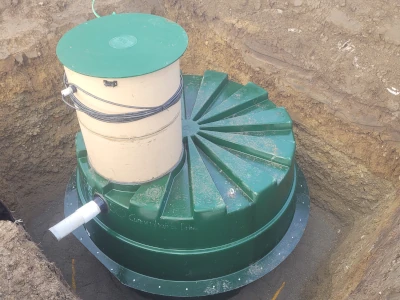
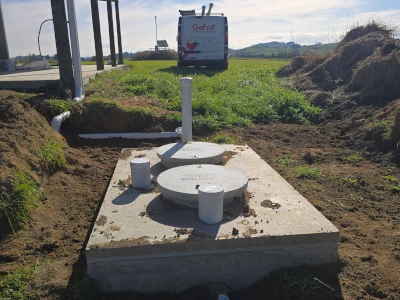
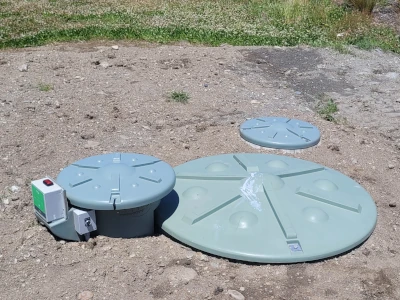
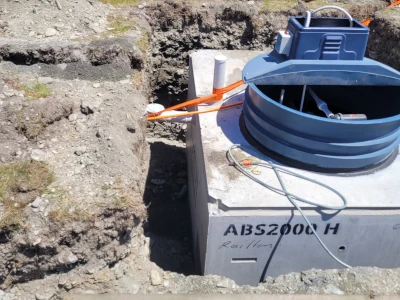
A reliable wastewater system starts with quality products and the right solution for the property. That’s why GoFox works with reputable wastewater system manufacturers and suppliers whose products are selected for their quality, reliability and suitability for New Zealand conditions.
The septic tanks, wastewater treatment systems and associated components recommended by GoFox are sourced from established manufacturers and selected to meet the requirements of each installation. System selection will depend on factors including the property, site conditions, wastewater requirements and the approved system design.
Your local GoFox plumber will recommend a wastewater system suited to your property and project requirements, helping ensure the system is appropriately designed, professionally installed and built to provide reliable performance for years to come.






Trusted by Customers Across New Zealand
Our customer survey score is a reflection of the professionalism, workmanship, communication and service delivered every day by GoFox teams throughout New Zealand.
Our vision

THE GOFOX VISION
To be a customer’s first choice for all electrical & plumbing services through earned reputation and respect.
Our score
9.7
out of 10
on our Customer
Satisfaction Survey Question
"How Likely are you to recommend GoFox to a family member or close friend?"


Modern Plumbing Solutions
GoFox Plumbing provide modern plumbing solutions for homes, businesses, renovations, maintenance, and projects across New Zealand.
From hot water systems and drainage through to wastewater, water filtration, gas servicing, leak detection, and energy-efficient plumbing solutions, GoFox Plumbing support the way modern properties operate and function.
Our qualified plumbers work across a wide range of residential and commercial environments, delivering practical plumbing solutions tailored to the needs of each property and project.
Whether it’s upgrading existing systems, supporting new technologies, or helping improve efficiency and functionality, GoFox Plumbing focus on delivering reliable plumbing solutions designed for modern living.


Trusted Local Plumbers
GoFox Plumbing are locally owned and operated businesses, with qualified plumbers providing plumbing services for homes, businesses, renovations, maintenance, and projects across New Zealand.
Backed by local knowledge and experience, GoFox Plumbing deliver reliable plumbing solutions tailored to the needs of modern New Zealand properties.
Whether it’s ongoing plumbing maintenance, upgrades, repairs, fit-outs, renovations, or new installations, GoFox Plumbing focus on delivering practical solutions and consistent workmanship across a wide range of residential and commercial environments.
Our local plumbers understand the importance of reliable communication, quality workmanship, and dependable service throughout every stage of a project.


Local Service, National Support
GoFox Plumbing combines the responsiveness of local plumbers with the support, systems, and standards of a wider national network.
As locally owned and operated businesses, GoFox Plumbing teams take pride in building strong relationships with homeowners, businesses, builders, and property managers within their communities.
Our local plumbers focus on delivering reliable service, clear communication, and practical plumbing solutions tailored to the needs of each customer and project.
Behind every GoFox Plumbing business is the backing of a national network, providing shared knowledge, established systems, supplier relationships, and ongoing support across New Zealand. This allows GoFox Plumbing to deliver consistent service standards while maintaining the personalised approach of a local plumber.

GoFox Septic Tank & Wastewater FAQs
How much does a septic tank or wastewater system cost in New Zealand?
The cost of a septic tank or onsite wastewater system can vary significantly depending on the type and size of system, site and soil conditions, excavation requirements, land application area and any design, engineering or consent requirements. A straightforward septic system will generally cost less than a more advanced aerated wastewater treatment system. A site assessment is the best way to determine the right system and likely cost for your property.
What is the difference between a septic tank and an aerated wastewater treatment system?
A traditional septic tank provides primary wastewater treatment, separating solids from liquid before the effluent moves to a land application area for further treatment through the soil. An aerated wastewater treatment system uses additional treatment stages, including oxygen, to treat wastewater to a higher level before it is dispersed. The most appropriate system will depend on your property, site conditions and local requirements.
Read More: Septic Tank vs Aerated Wastewater Treatment System: What’s the Difference?
Do I need council consent to install or replace a septic tank in New Zealand?
Installing a new onsite wastewater system generally requires building consent in New Zealand, and resource consent may also be required depending on your location, site and proposed wastewater discharge. Some discharges can operate as permitted activities where they meet the relevant regional rules. Replacement or alteration work can have different requirements, so it’s important to check what applies to your property before work begins.
Read More: Council Consent Septic Tank: Do You Need One to Install or Replace Yours?
What size septic tank or wastewater system do I need?
The right wastewater system size depends on more than the physical size of the tank. The number of bedrooms, expected occupancy and wastewater volumes, treatment method, site conditions and land application requirements can all influence the design. The system also needs to accommodate the property’s potential future wastewater demand, not simply how many people currently live there. A site-specific wastewater design will determine the appropriate capacity for your property.
Read More: Septic Tank Size: What Do You Actually Need?
How often does a septic tank need to be emptied or serviced?
Maintenance requirements depend on the type of wastewater system, how heavily it is used and any council or consent requirements. As a general guide, traditional septic tanks typically need accumulated sludge pumped out around every three years, while aerated or secondary treatment systems require more regular inspection and servicing, often at least annually. Your system’s specific maintenance requirements should always be followed.
Read More: Septic Tank Maintenance: How Often Does It Need to Be Done?
What are the signs that a septic tank or wastewater system is failing?
Common warning signs include unpleasant sewage smells, slow-draining toilets or sinks, wastewater or unusually wet areas appearing around the land application area, sewage overflows, system alarms or recurring faults. These symptoms don’t necessarily mean the entire wastewater system needs replacing, but they should be investigated promptly to determine whether servicing, repair or an upgrade is required.
Do I need to upgrade my septic system if I renovate or add bedrooms?
Possibly. Adding bedrooms, another dwelling or making significant changes to a property can increase its potential wastewater demand. Your existing septic or wastewater system may need to be assessed to ensure it has sufficient treatment capacity and an appropriate land application area for the proposed changes. Depending on the property and local requirements, an upgrade or additional consent may be required before the renovation proceeds.
Read More: Septic Tank Upgrade: Do You Need One for a Renovation?
What's the difference between plastic and concrete septic tanks?
Plastic and concrete septic tanks can both be used as part of an onsite wastewater system, but they differ in their construction, weight, installation requirements and suitability for different sites. Plastic tanks are lightweight and can make transport and installation easier, particularly where access is limited, while concrete tanks are significantly heavier and can offer advantages in some ground conditions. The right tank should be selected as part of the overall wastewater system design.
Read More: Plastic vs Concrete Septic Tanks: Which Is Right for You?
Find Your Local GoFox Wastewater Specialist
What our Customers are saying

“We had GoFox install the septic system for our new build and they were great to deal with. They worked in well with our builder and the other trades, kept us updated and got everything sorted without any hassle. Really happy with how it all came together and would definitely recommend them.”
