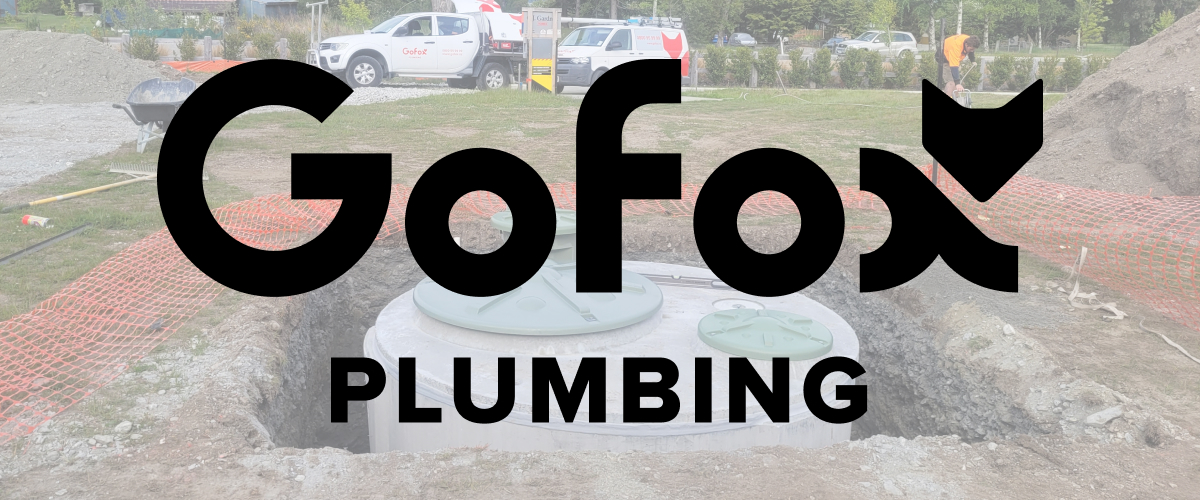
If you’re weighing up septic tank vs aerated wastewater options, the choice for your property comes down to treatment level. In fact, a traditional septic tank provides primary treatment, separating solids from liquid before the effluent moves to a land application area. From there, the soil finishes the job. An aerated wastewater treatment system adds extra stages, including oxygen. This treats wastewater to a higher standard before it’s dispersed. Which system suits your property depends on your site conditions and local council requirements.
How Does Septic Tank vs Aerated Treatment Actually Work?
A standard septic tank relies on gravity and anaerobic bacteria, meaning bacteria that work without oxygen. Solids settle to the bottom and scum floats to the top. The liquid in between moves out to a land application area. Soil and naturally occurring organisms complete the treatment process from there.
An aerated wastewater treatment system builds on this. This system pumps air into a dedicated chamber. That allows aerobic bacteria, meaning bacteria that need oxygen, to break down solids further. This extra stage is why aerated systems are sometimes called secondary treatment systems. Standard septic tanks, by comparison, are classed as primary treatment. Because more treatment happens inside the tank, aerated systems typically produce a cleaner effluent before it reaches the soil.
Which System Produces Cleaner Wastewater?
Effluent quality is where the two systems really differ. A standard septic tank produces effluent that still needs the soil to finish treating it. This is why the size and condition of your land application area matters so much for septic systems. An aerated system produces a higher standard of effluent before it even leaves the tank. Depending on the system and local rules, this can sometimes be clean enough for controlled garden or landscape irrigation.
That doesn’t mean an aerated system is automatically better for every property. These systems come with mechanical parts, such as pumps and blowers. As a result, they need a continuous power supply and regular servicing. By comparison, a septic tank has fewer moving parts, which often means lower running costs. However, it typically needs a larger, well-draining land application area to work properly.
Septic Tank vs Aerated: Which System Suits Your Property?
Choosing between the two isn’t just about preference. Instead, site conditions, section size, and council requirements all play a part.
A septic tank with a standard land application area often works well on larger sections. It suits free-draining soil and enough distance from waterways. An aerated system tends to suit smaller sections, properties with a high water table, or sites with poor drainage. This is often where a standard septic field wouldn’t work well enough. Some regional councils also require a higher treatment standard in sensitive catchments. This can make an aerated system the only compliant option, regardless of section size.
Because every property is different, a proper septic tank and wastewater assessment is the best place to start. It will confirm which system, and which consent pathway, applies to you.
Frequently Asked Questions
What is the main difference between a septic tank and an aerated wastewater system? A septic tank uses gravity and anaerobic bacteria to separate solids from liquid. It then relies on the soil to finish treatment. An aerated system adds an oxygen-based stage that treats wastewater to a higher standard before it leaves the tank.
Is an aerated wastewater system better than a septic tank? Not automatically. Aerated systems produce cleaner effluent and suit smaller or wetter sites, but they need power and regular servicing. A septic tank is simpler and often cheaper to run, provided your site has enough land application area.
Do aerated systems need more maintenance than septic tanks? Generally, yes. Aerated systems have mechanical parts such as pumps and blowers, which need regular checks and a continuous power supply. Septic tanks have fewer moving parts, but they still need periodic pumping.
Can aerated wastewater be used for irrigation? Some aerated systems produce effluent clean enough for controlled garden or landscape irrigation. This depends on the system, your regional council’s rules, and your resource consent conditions.
How do I know which system is right for my property? A site assessment is the best place to start. From there, a qualified plumber will look at your soil type, section size, and council requirements. They’ll recommend the right system for your property.
Talk to Your Local Wastewater Specialists
If you’re planning a new build or upgrading an ageing system, we can help. Book a site assessment with your local GoFox Plumbing team. We work across GoFox’s franchise locations nationwide. That means you’re dealing with plumbers who understand local soil conditions and council requirements. Browse our full range of plumbing services, or get in touch to discuss the right wastewater system for your property.
For more practical plumbing advice, follow the team on Facebook and LinkedIn.